The Perioperative Glycemic Management Pathway (PGMP) was co-developed by patients, internists, surgeons, anesthesiologists and nurses to improve blood sugar management before, during, and after surgery. Hospitals that have implemented the PGMP have seen reductions in length of stay and postoperative infections. PGMP includes 5 steps: a path towards improved care for patients.
What is hyperglycemia?
Hyperglycemia is the technical term for high blood glucose (blood sugar), typically measured at greater than 10 mmol/L. High blood glucose happens when the body has too little insulin or when the body can't use insulin properly.
Our mission is to improve screening, monitoring, and treatment of hyperglycemia in the perioperative period.
When followed, our pathway reduces surgical complications and improves patient outcomes.
20-30%
of patients who undergo surgery have diabetes.
More than 20%
of patients in Alberta with diabetes had no blood sugars measured on the day after their surgery.
70%
of patients with diabetes had high blood sugar after surgery.
A blood glucose more than 10 mmol/L after surgery
doubles the risk
of serious infections and increases 30-day mortality
Our Team
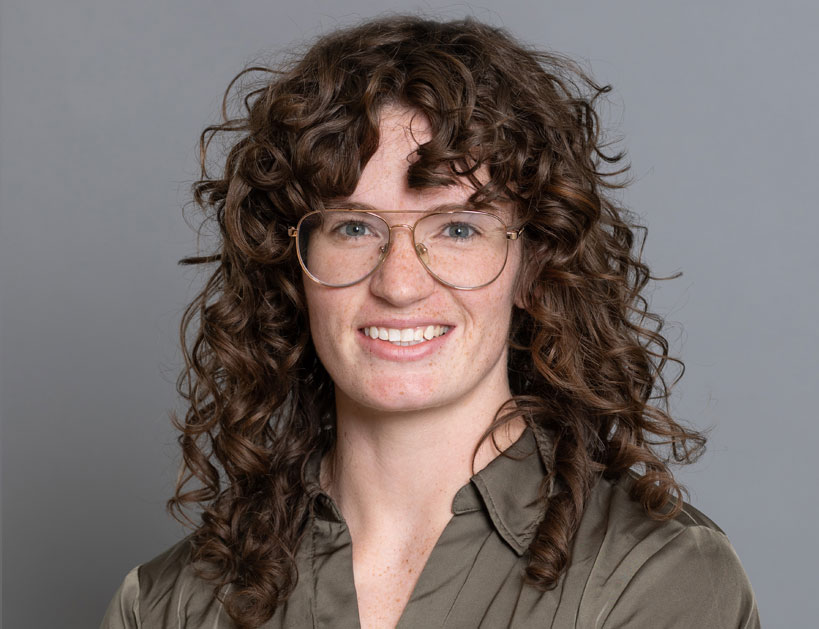
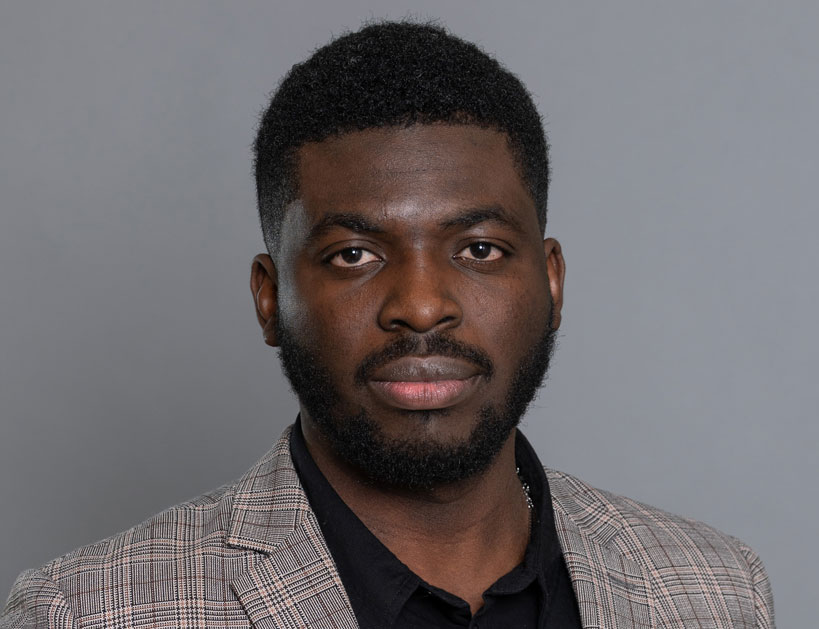
Meet the team of experts behind the collaborative effort that is the Perioperative Glycemic Management Pathway. With diverse backgrounds of expertise, education, research and personal experience, our team came together with a common goal of paving the way for better patient care.
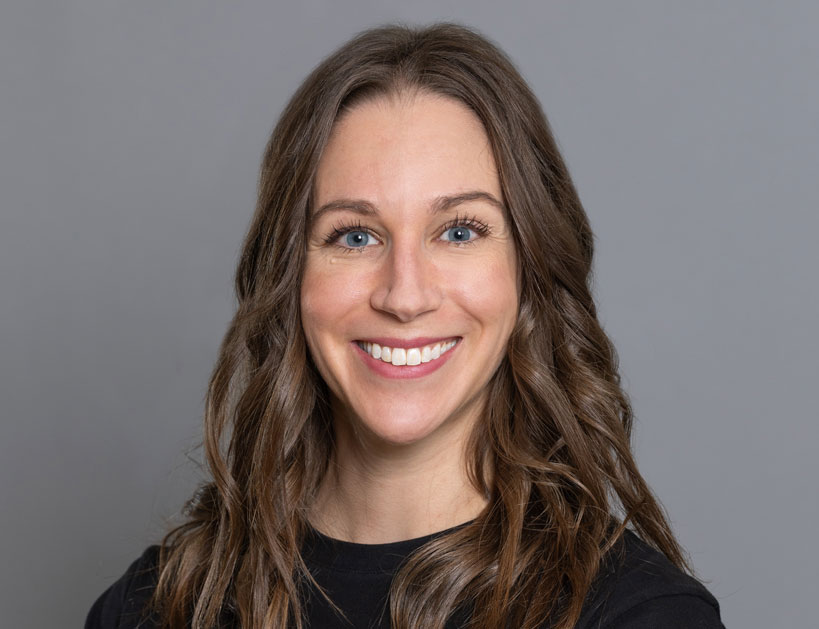
Dr. Shannon Ruzycki
general internist and assistant professor
at the University of Calgary
She has a Masters in Public Health from Johns Hopkins University with dual concentration in Epidemiology and in Quality, Patient Safety, and Outcomes Research. Her research interests include perioperative quality improvement.
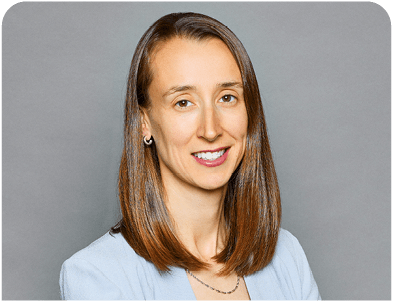
Dr. Anna Cameron
gynecologic oncology surgeon and
clinical assistant professor
at the University of Calgary
She has a Masters of Science in Epidemiology from Harvard. Dr. Cameron is the program director of the gynecologic oncology training program at the Cumming School of Medicine.
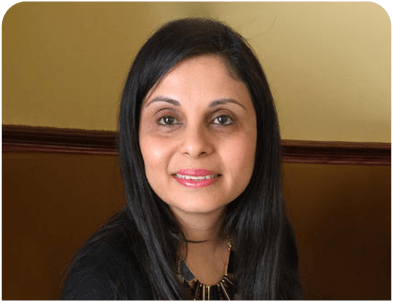
Dr. Rosmin Esmail
Senior Scientist at the Office of Partnerships for Health Services Research, Innovation & Improvement, Acute Care Alberta
She has a PhD in Health Services Research with expertise in implementation science, as well as a Masters of Science in Community Health and Epidemiology from Queen’s University.
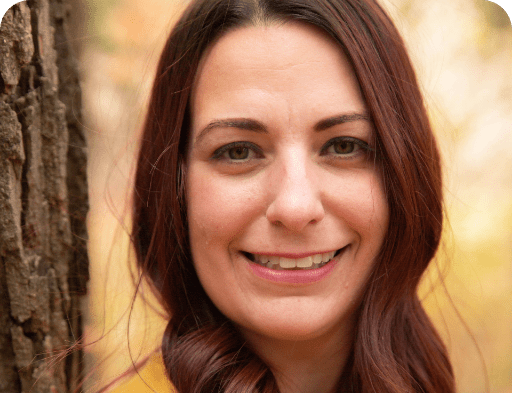
Leta Philps
Senior Consultant, Women’s Health Alberta Health Services
She is a registered nurse with an extensive implementation science background, and has collaborated with clinicians, researchers, and policymakers across Alberta to improve the quality of healthcare delivery for patients with diabetes.
Laura McAlpine
implementation support specialist and
knowledge translation project coordinator
at the Alberta SPOR Support Unit.
She has a Masters of Science in Global Health and extensive mixed methods research experience.
Bert Heatlie
Research Assistant
Emilie Toews
Research Assistant
Peter Faboyo
Research Assistant
Learn More
Contact us today for more information or resources.